Conserving the Extensive Ecosystems of Hawaii

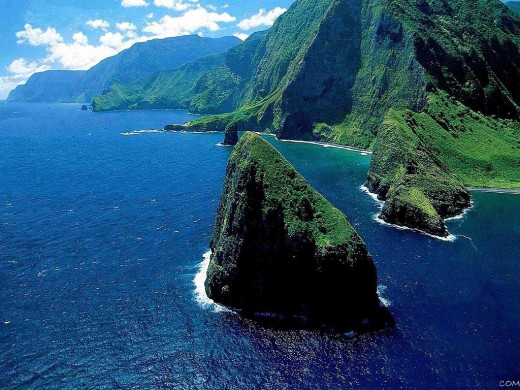
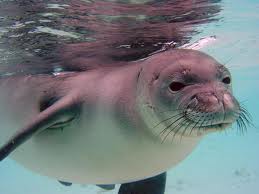
I am concerned about our beautiful islands of Hawaii. Did you know that Hawaii is home to 319 threatened and endangered plants? There are also endangered animals including the Hawaiian monk seal and sea turtles amongst others. Hawaii has been listed by the Endangered Species Coalition as in need of conservation. There are shallow water coral reefs which are also in danger. This report was given by the Pacific Business News recently.
Birds
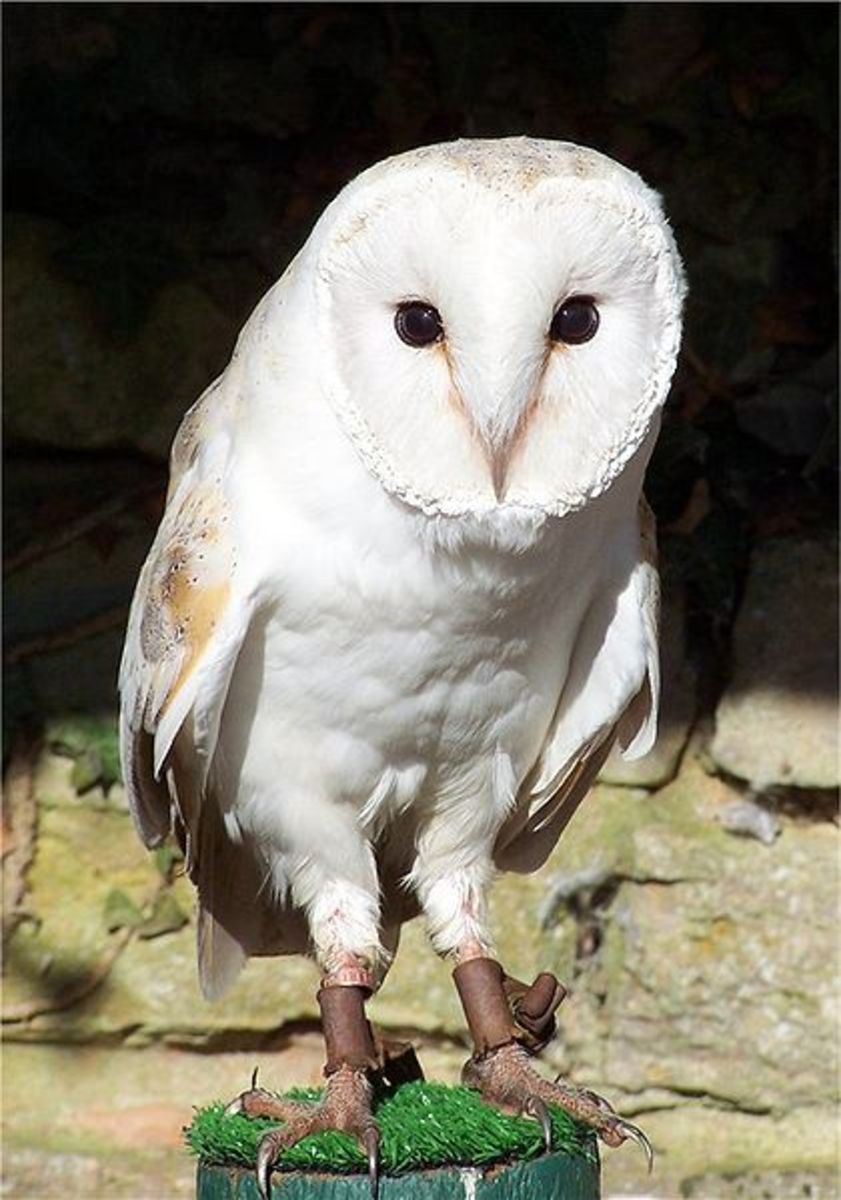
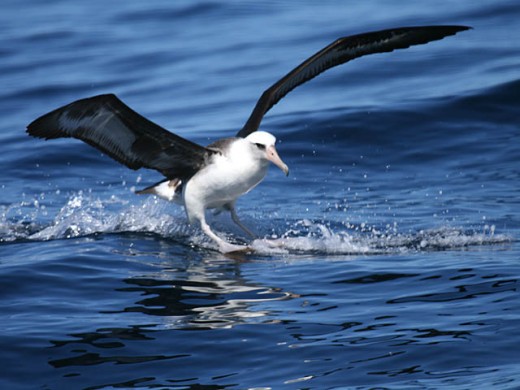
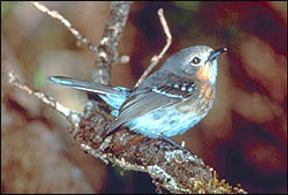
There are many unique birds here in Hawaii, making it one of the most desired destinations for ecotourists and birders. In fact, there are more than 100 unique birds here in these islands. It is estimated that some 70 have already become extinct since humans first arrived. There are a few dozen honeycreepers, nesting seabirds and albatrosses. Hawaii has the largest breeding population of albatrosses (laysan) in the world.
Homo Sapiens
Human intervention by increased fishing, construction and agriculture in Hawaii have put many of its ecosystems in danger. Nearly ninety percent of the lowland dry forests have been destroyed. But the biggest damage is on coastal areas where population growth has seen the most growth. Everyone wants a nice ocean-view lot, right?

Hawaii's Ecosystems
About 150 distinct ecosystems exist in Hawaii. On land, there are ecosystems including tropical rainforests, dry forests, sub-alpine grasslands and alpine deserts. Then there are tropical reefs, subterranean lava tubes, and coastal dunes and many more.
It is estimated that the Hawaiian Islands were isolated from humankind for 70 million years, so there was fauna and flora found here that were nowhere else on the Earth. There were no grazing or predatory animals and no reptiles until man introduced them. Even now there is a greater effort being made to keep snakes out of Hawaii.
Conservation Efforts
Some conservation groups have made efforts to protect the ecosystems including military and government entities. Marine and nature reserves have been established. There is an effort to remove invasive plants and re-establish native plants by the Navy.
Even then, with Hawaii taking up only 0.2 percent of the land in the United States, it has over 25 percent of the current US endangered species. And, over 75 percent of the US extinctions occurred here. Those are not good statistics.
Aliens
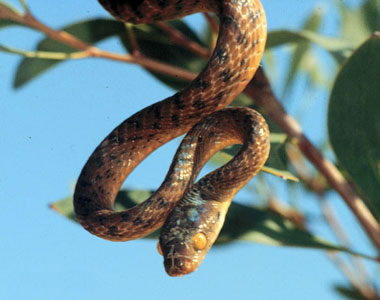
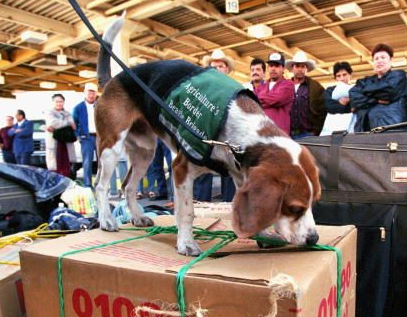
Tourists and residents occasionally try to smuggle in illegal aliens including wolves, iguanas, alligators, piranhas, wallabies, parrots, African dartfrogs, snakes. The Brown Tree Snake is a native of New Guinea and has caused much damage in Guam when it was illegally introduced there. They somehow arrived here, perhaps on the wheel wells of jets. Our native birds would have no defenses against them if they were to rise in population. They have trained dogs (Beagle Brigade) to sniff out snakes and other plant and animal pests. Fines of $200,00 and three years in jail is the penalty for bringing a snake into Hawaii.
Wild Pigs
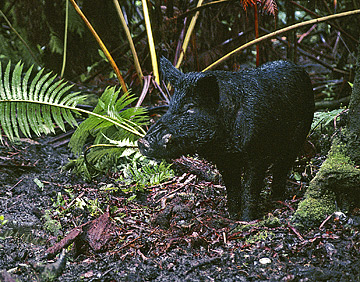
Besides land development, the most destructive force in Hawaii's native forests is feral pigs. Polynesians brought pigs to the islands around 400 A.D. These pigs multiply rapidly and have overgrazed rain forests. The spread plant invaders and create mud holes in which mosquitos thrive. The mosquitos spread avian malaria or bird pox that kills the native honeycreepers.
In Summary
An ecosystem is a balanced interaction of animals, plants and the environment. The balance can be easily upset by intervention by alien species.
Education is key so that we can continue to enjoy the beauty of Hawaii with all of the various ecosystems intact.Birds
There are many unique birds here in Hawaii, making it one of the most desired destinations for ecotourists and birders. In fact, there are more than 100 unique birds here in these islands. It is estimated that some 70 have already become extinct since humans first arrived. There are a few dozen honeycreepers, nesting seabirds and albatrosses. Hawaii has the largest breeding population of albatrosses (laysan) in the world.
Homo Sapiens
Human intervention by increased fishing, construction and agriculture in Hawaii have put many of its ecosystems in danger. Nearly ninety percent of the lowland dry forests have been destroyed. But the biggest damage is on coastal areas where population growth has seen the most growth. Everyone wants a nice ocean-view lot, right?
Conservation Efforts
Some conservation groups have made efforts to protect the ecosystems including military and government entities. Marine and nature reserves have been established. There is an effort to remove invasive plants and re-establish native plants by the Navy.
Even then, with Hawaii taking up only 0.2 percent of the land in the United States, it has over 25 percent of the current US endangered species. And, over 75 percent of the US extinctions occurred here. Those are not good statistics.
Aliens
Tourists and residents occasionally try to smuggle in illegal aliens including wolves, iguanas, alligators, piranhas, wallabies, parrots, African dartfrogs, snakes. The Brown Tree Snake is a native of New Guinea and has caused much damage in Guam when it was illegally introduced there. They somehow arrived here, perhaps on the wheel wells of jets. Our native birds would have no defenses against them if they were to rise in population. They have trained dogs (Beagle Brigade) to sniff out snakes and other plant and animal pests. Fines of $200,00 and three years in jail is the penalty for bringing a snake into Hawaii.
Wild Pigs
Besides land development, the most destructive force in Hawaii's native forests is feral pigs. Polynesians brought pigs to the islands around 400 A.D. These pigs multiply rapidly and have overgrazed rain forests. The spread plant invaders and create mud holes in which mosquitos thrive. The mosquitos spread avian malaria or bird pox that kills the native honeycreepers.
In Summary
An ecosystem is a balanced interaction of animals, plants and the environment. The balance can be easily upset by intervention by alien species.
Education is key so that we can continue to enjoy the beauty of Hawaii with all of the various ecosystems intact.