Volcano Pollution in Hawaii


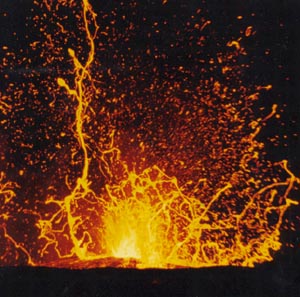
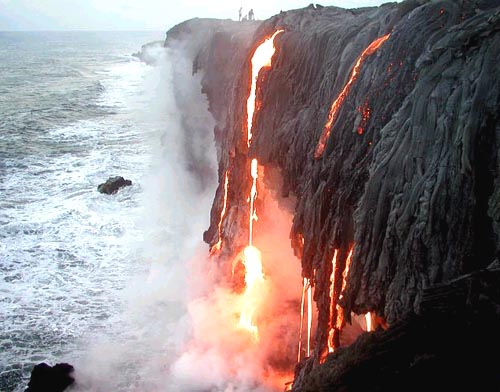
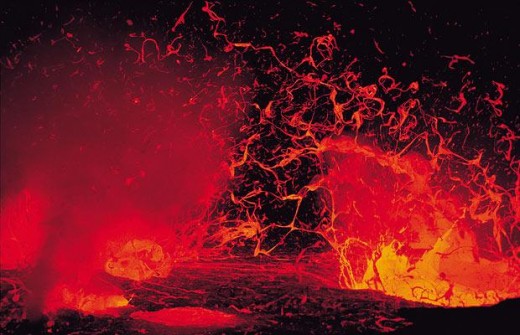
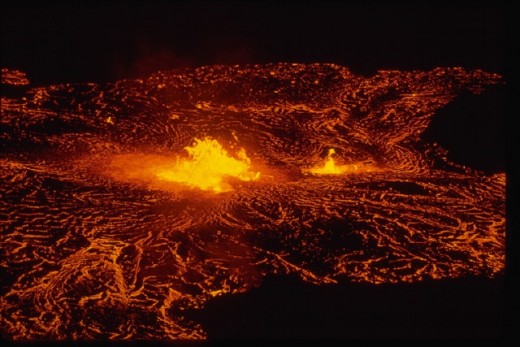
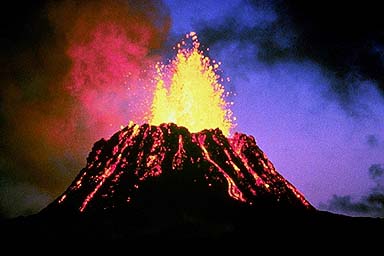
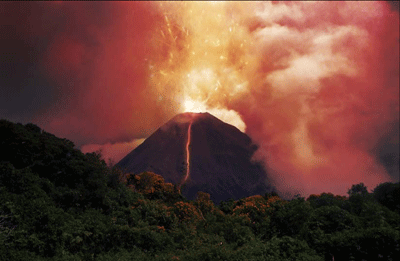
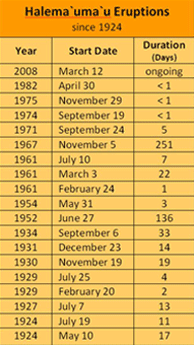
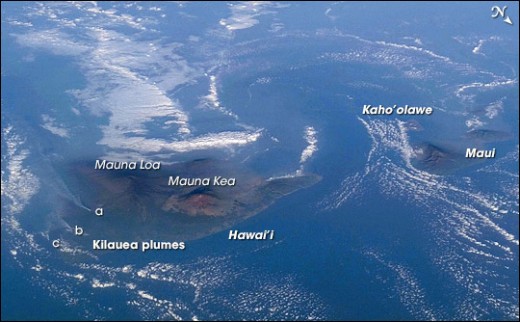
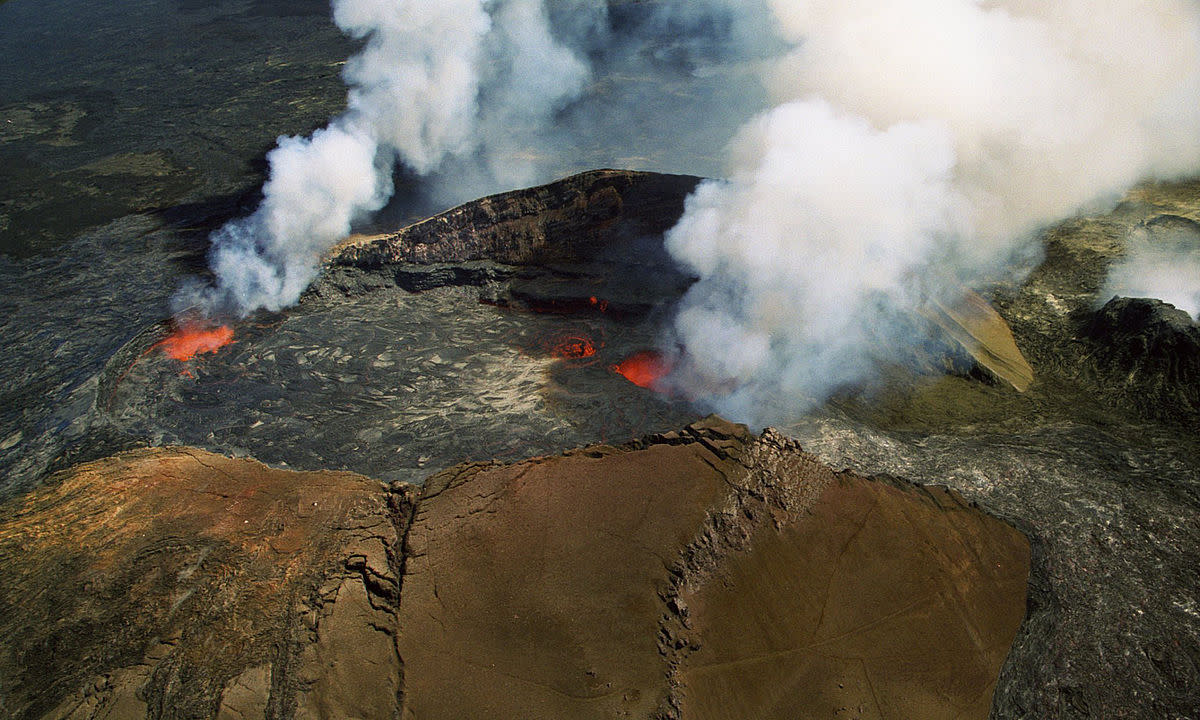
Some days in Hawaii we wake up to what looks like smog, but with no local factories that would give off such pollution, there simply must be another explanation. There are active volcanoes on the Big Island of Hawaii. They are very fascinating to watch as the lava pours out of the vents and makes it way down the rocky slopes. I have traveled to the Volcano National Park and gone to the water’s edge to observe what happens when the lava meets the sea. At night it can be a very beautiful sight as the steam rises several feet into the air. We must be aware of the dangers also.
The sulfur dioxide that volcanoes emit mixes with other gases, sunlight dust and moisture to form vog. From konaweb.com we discover that Hawaiians attribute vog to the mysterious goddess, Madam Pele. She sleeps for years at a time, but when she decides to wake up, she lets everyone know of her existence by sending a plume of sulfur dioxide into the air. A recently awaked Kilauea volcano (erupting continuously since 1983) pours lava into the sea.
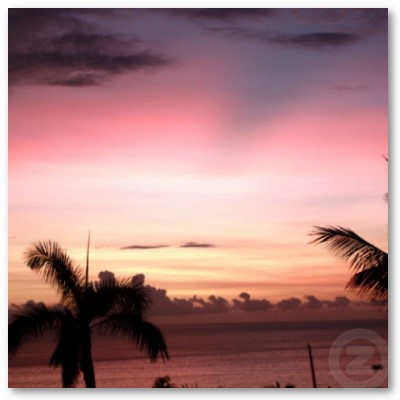
The wind in Hawaii often comes from the North east and the vog collects around the mountains, especially in areas of West Hawaii. Some days you can barely make out the buildings of large cities and the cruise ships in the bay. The horizon becomes invisible. One way to determine the vog level is to see how sharp the horizon line is where the ocean and sky meet.
So what is the difference between vog and smog? According to answers.com when sulfur oxides emitted by a volcano react with moisture to form an aerosol, vog is formed. The vog becomes visible when the aerosol scatters light. Smog also results in a visible aerosol, but it is formed by incomplete combustion of fuel which reacts with nitrogen oxides together with ozone which is produced from carbon monoxide and the reaction with sunlight.
Smog is yellowish grey while vog is grey. This is because nitrogen oxides are yellow and the sky looks yellowish grey when smog levels are high. In contrast, vog looks grey because sulfur oxides are colorless. Grey spots in the sky may remain trapped for a time in the inversion layer once vog dissipates.
Vog contains dangerous chemicals that can affect humans and other animals, damage the environment, and also the health of plants. Increased vog level has even caused evacuations and also damaged crops due to increased sulfur dioxide emissions.
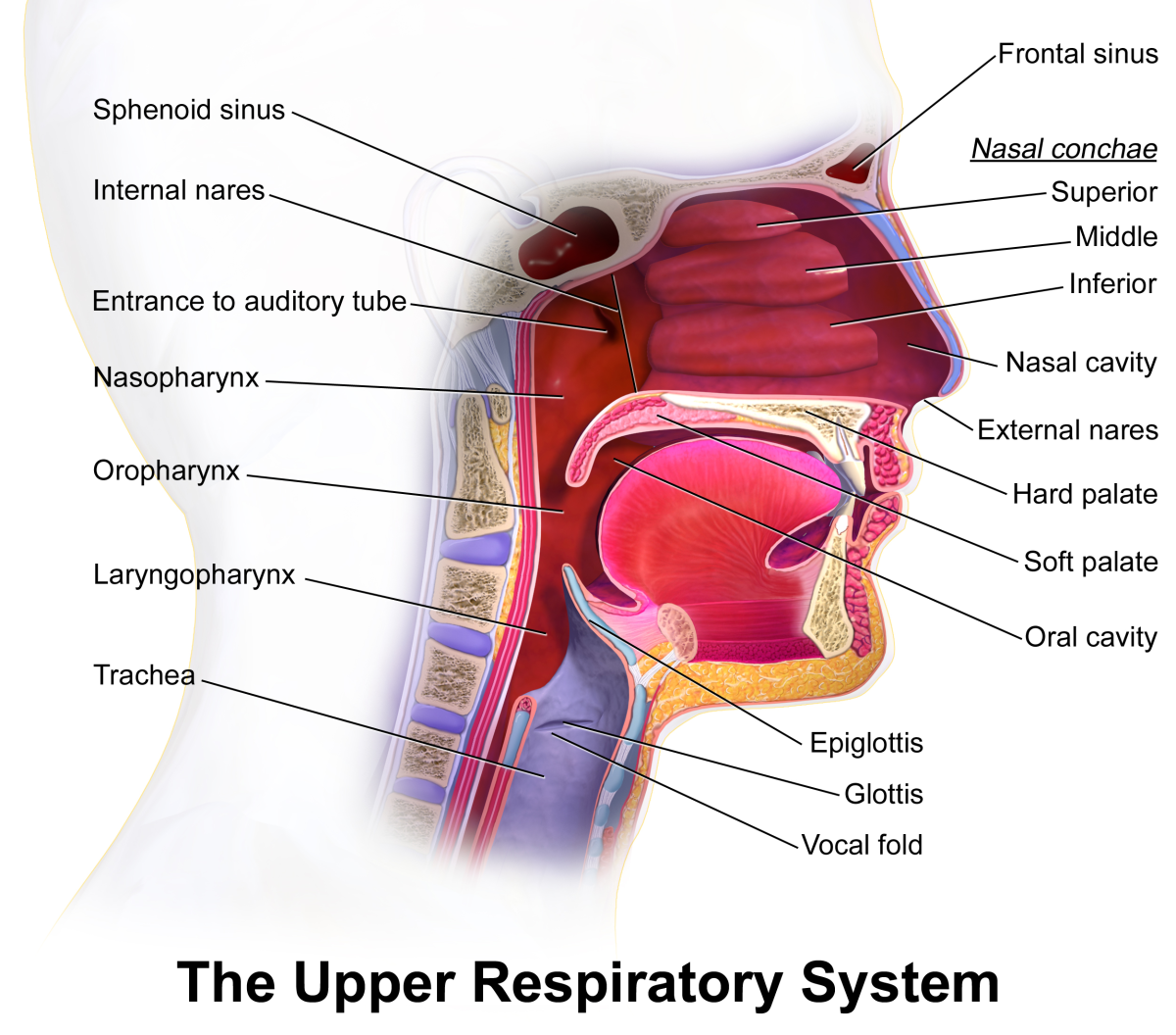
The acidic aerosols are of a size where they can remain in the lungs to impair function and damage the lungs. Watery eyes, headaches, sore throat, flu-like symptoms, breathing difficulties (including inducing asthma attacks), and general lethargy are common complaints. People with respiratory conditions and children are most affected. Vog can also create a hazard for drivers and for air and ocean traffic because it generally reduces visibility.
Besides damage to crops, domestic animals and even metal objects exposed to the air can be affected by vog. Owners of automobiles near Kilauea are well aware of how fast they rust in this area of the island.
http://volcanoes.usgs.gov/ reports that vog has not been studied long enough to determine the long-term health effects. However, recently, the U.S. Geological Survey's Volcano Hazards Program sponsored a workshop on gas geochemistry. This study included the study of the amount of gas and the type of gas coming out of volcanoes.
If you are visiting Hawaii and the weather report includes vog, you can take the following precautions: drink plenty of fluids, specifically hot teas which open up the lungs. When vog is extreme, it is recommended that you relax and do not do physical work or exercise outside. Because the vog is worse at higher levels, it is best to stay closer to sea level. If you experience difficulty with breathing, see your doctor. Also, you should avoid being around people who smoke or anyone burning trash. Since vog can hinder your breathing and affect your immune system, try to stay indoors with the air conditioner running. If the vog is very thick, you can try hanging wet sheets which can trap the gases. It is good to have indoor plants which help to give off oxygen. Make sure you have all your heart and lung medications with you.
If you are planning to move to the Big Island, it is highly suggested that you be aware of the vog conditions which exist there, and areas from Kailua-Kona to Ocean view that are "generally" the most heavily affected. There are also some areas from Volcano Village to Hilo that can also experience high levels of vog.
While the hazards of these volcanic gases are well known, vog has not caused many deaths in recent history. However, it is potentially more harmful than the particles or gases it is made up of. Since eruptions are beyond our control groups try to determine the risks associated with living in the vicinity. Many qualified people are studying the best ways to understand and determine the effects that vog has on our citizens. For now, since we live on the same island as Honolulu, we can only pray for the trade winds to blow the vog away from us.